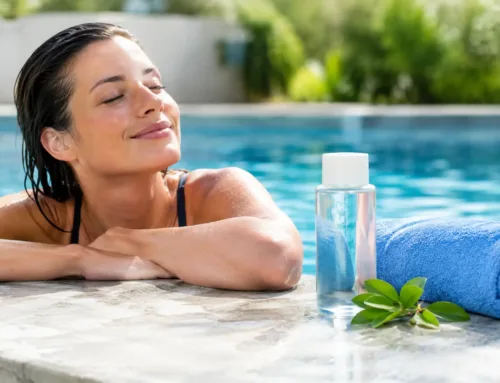
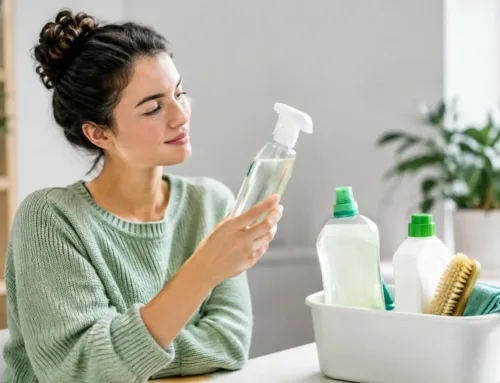
The pool may be closed, but the smell can follow you home. It clings to skin, settles into hair, and seems especially determined to stay in swimsuits and towels. A chlorine odor body wash is made for that exact post-swim problem – helping swimmers clean up comfortably without relying on harsh, perfume-heavy products to cover the smell.
For regular swimmers, parents of swim-team kids, hot-tub users, and anyone who enjoys an afternoon in the pool, that lingering chemical odour is more than a small annoyance. It can come with dry-feeling skin, rough hair, and a swimsuit that still smells like the change room after it has been washed. The right routine makes a real difference.
Why Chlorine Smell Stays on Skin and Hair
Chlorine is used to help keep pool and hot-tub water sanitary. Once it has mixed with sweat, body oils, lotions, and other material in the water, it can leave behind compounds that create the familiar pool smell. That sharp odour is not always a sign that a pool has added too much chlorine. Often, it is a sign that chlorine has been busy reacting with what swimmers brought into the water.
Plain water rinses off some pool water, but it may not fully remove what has settled on the skin, scalp, and hair. Soap with a strong fragrance can make the experience more pleasant for a few minutes, yet perfume does not necessarily deal with the source of the odour. Worse, an aggressive cleanser can leave skin feeling stripped after a swim.
That is why swimmers often need something more targeted than an ordinary shower gel. A purpose-made wash should help remove chlorine odour while being gentle enough for repeated use, especially during a season of daily practices, lessons, cottage weekends, or backyard hot-tub time.
What a Chlorine Odor Body Wash Should Do
A good chlorine odor body wash is not about replacing one strong smell with another. It should wash away the post-pool residue that leaves skin and hair smelling chemical-like, while leaving you clean, comfortable, and ready to get on with the day.
Gentleness matters. Chlorinated water can already leave skin feeling tight, particularly for children, people with dry or sensitive skin, and frequent swimmers. A body wash that feels overly harsh may solve one frustration and create another. Look for a formula intended for skin and hair, with a pleasant but not overpowering scent and ingredients selected with regular use in mind.
It also helps when the formula can handle more than one job. After swimming, most people want to shower quickly, wash their hair, and toss their suit into a rinse or wash cycle. A product that can work as a body wash or shampoo and help freshen swimwear keeps the routine simple. That is useful at home, at the cottage, in a gym bag, or beside an outdoor pool.
The Best Time to Wash After Swimming
Sooner is better. A quick rinse at the pool is worthwhile, but showering with a chlorine-removing wash after your swim gives you a more complete reset. There is no need to scrub skin fiercely. Apply the wash to wet skin, work it into a light lather, and rinse thoroughly. Pay a little extra attention to areas where odour seems to linger, such as the neck, shoulders, underarms, and hairline.
For hair, wet it thoroughly first. Work the wash through the scalp and lengths, then rinse well. People with long, colour-treated, curly, or particularly dry hair may prefer to follow with their usual conditioner. It depends on how often they swim and how their hair responds to pool water. A competitive swimmer who trains five days a week will likely need a more consistent conditioning routine than someone who swims once on vacation.
Do not forget the swimsuit. Leaving a wet, chlorinated suit crumpled in a plastic bag is one of the fastest ways to invite stubborn odour. Rinse it as soon as possible, then wash according to its care label. A targeted chlorine treatment can help remove that pool smell from the fabric, rather than merely masking it until the next swim.
A Simple Post-Pool Routine That Feels Better
The most effective routine is usually the one people will actually follow. Start with a brief fresh-water rinse before leaving the pool area. At home or in the change room, use a chlorine-removing body wash on skin and hair. Rinse your swimsuit right away and hang it to dry where air can circulate.
If you have been in a hot tub, take the same approach. Hot water, sanitizer, and prolonged soaking can leave skin feeling especially dry. Keep showers comfortably warm rather than very hot, and apply moisturizer after drying off if your skin needs it. This small step can make regular pool or hot-tub use much more comfortable.
For young swimmers, make the routine easy and predictable. Pack a labelled bottle in their swim bag, along with a clean towel and a breathable bag for the wet suit. Parents often focus on goggles, snacks, and dry clothes, but a proper post-swim wash can save everyone from the familiar car ride home with that lingering pool smell.
When Regular Soap Is Not Enough
Regular body wash may be perfectly fine for an occasional dip, particularly if you shower promptly and your skin is not prone to dryness. But if you can still smell chlorine after washing, if your hair feels dull, or if swimsuits keep holding odour, a specialized formula is worth considering.
The same is true for households with multiple swimmers. When lessons, lane swims, water polo, and weekend pool parties are all happening at once, chlorine odour has a way of spreading through bathrooms, laundry rooms, towels, and gym bags. A product designed for this one job can take the friction out of a routine that otherwise becomes repetitive and frustrating.
BCM Biodegradable Solutions created Chlorine Zaprrr for swimmers who want a safe and gentle body wash or shampoo that tackles chlorine odour directly. The goal is practical: leave the pool behind without bringing its smell home on your skin, hair, or swimwear.
A Few Things That Can Make Chlorine Odour Worse
Some habits make post-swim odour harder to remove. Wearing a suit repeatedly without rinsing it, storing damp towels in a closed bag, and waiting until the next day to shower all give pool residue more time to hang around. Heavy body lotions, sunscreen, and styling products can also interact with pool water, so a quick shower before swimming can be helpful as well.
There is a trade-off with very fragrant products. They can make you smell strongly scented, but that does not always mean the chlorine odour is gone. For people who are scent-sensitive, have young children, or simply do not want competing fragrances, a fresh, clean result is usually more useful than a perfume cloud.
If skin becomes persistently itchy, red, cracked, or uncomfortable after swimming, pause and consider the bigger picture. It may relate to pool chemistry, long exposure, an individual sensitivity, or another skin concern. A gentle cleansing routine can help with normal post-swim dryness and odour, but persistent irritation deserves advice from a qualified health professional.
A good swim should leave you energized, not smelling like you spent the afternoon in the equipment room. Keep a chlorine-focused wash where it is easy to reach, rinse your suit before it becomes a laundry problem, and let your post-pool routine be as refreshing as the swim itself.