That clean-pool smell clinging to your skin, hair, towel, and swimsuit is not always a sign that you are freshly clean. It is often the opposite: a reminder that chlorine and its by-products are still hanging around. A chlorine neutralizer is designed to help deal with those leftovers, so swimmers can leave the pool without taking the pool home with them.
For families who spend summer at the community pool, regular lap swimmers, hot-tub owners, and parents doing endless loads of damp swimwear, this is a practical problem. Chlorine can leave skin feeling tight, hair feeling straw-like, and fabrics smelling sharp long after they have dried. The right post-swim routine can make a noticeable difference without relying on heavy fragrance or harsh cleaners.
What a Chlorine Neutralizer Actually Does
Chlorine is added to pool and hot-tub water because it is an effective sanitizer. It helps control bacteria and other unwanted organisms. The trade-off is that chlorine is reactive. It can interact with the oils, sweat, body-care products, and organic material swimmers bring into the water.
A chlorine neutralizer works by reducing or removing residual chlorine from a material or surface. In pool maintenance, that may mean treating water before it is discharged. For personal and fabric care, the goal is different: lift away chlorine residue from skin, hair, and fibres before it has more time to cause odour, dryness, or wear.
The word “neutralizer” can cover several types of products, so context matters. A chemical intended to dechlorinate a large volume of pool water is not automatically suitable for washing your body or your favourite swimsuit. For post-swim care, choose a formula made specifically for skin, hair, or fabrics and follow its directions.
Why Chlorine Smell Can Stay After You Rinse
A quick shower is a good first move, but water alone does not always remove everything. Chlorine can cling to skin oils, hair, and synthetic fibres. Swimsuits are especially prone to holding onto the smell because their stretchy materials, seams, and lining spend so much time saturated in treated water.
That familiar “chlorine smell” also has a wrinkle worth knowing. Some of the strongest pool odours come from chloramines, compounds formed when chlorine reacts with contaminants in the water. A powerful smell at the pool does not necessarily mean there is extra clean chlorine in the water. It can mean the water needs attention.
At home, the practical concern is simpler. If you still smell the pool after showering, or if your suit smells when it comes out of the laundry, there is likely residue left behind. A targeted chlorine-neutralizing wash can help remove it rather than covering it with perfume.
When Post-Swim Treatment Is Most Useful
You do not need to turn every casual dip into a chemistry project. Rinsing promptly and washing swimwear properly will often be enough after a short swim. A dedicated chlorine neutralizer becomes particularly useful when pool time is frequent, the water has a strong odour, or you notice the effects on your skin and fabrics.
Regular swimmers may find that their skin feels dry or itchy even when they shower immediately. People with colour-treated hair can notice dullness or a rough texture. Children often come home with wet suits bundled in a bag, giving chlorine residue plenty of time to settle into the fabric before laundry day.
It also helps after hot-tub use. Hot-tub water is warmer, and its treatment chemistry can feel especially drying after a long soak. If you are sensitive to fragrance or harsh soaps, a gentle formula that is made for chlorine odour and residue can be a more comfortable choice than repeatedly scrubbing with ordinary body wash.
Skin, Hair, and Swimwear Need Different Care
For skin and hair
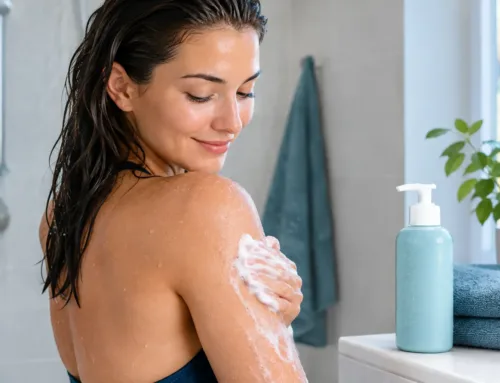
Rinse with fresh, lukewarm water as soon as possible after swimming. Hot water can make already-dry skin feel worse. Then use a gentle chlorine-removing body wash or shampoo as directed, paying attention to areas where water lingers, such as behind the ears, at the hairline, and beneath swimsuit straps.
Avoid the temptation to scrub hard. Chlorine exposure can leave skin feeling vulnerable, and aggressive exfoliation may add irritation rather than solve it. Pat dry, then use a simple moisturizer if your skin tends to feel tight after swimming.
For swimwear
Turn the suit inside out and rinse it in cool fresh water right away. Do not leave it rolled in a towel, sealed in a plastic bag, or baking in a hot car. Those conditions let odours settle in and are tough on elastic fibres.
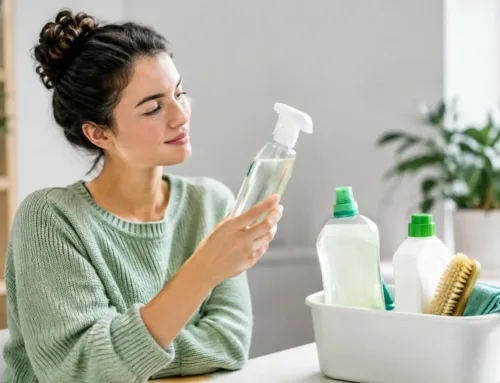
When it is time to wash, use a treatment intended for swimwear or a gentle product that addresses chlorine residue. Follow the garment label, skip high heat, and let the suit air-dry away from direct sunlight. Heat and chlorine are a rough combination for spandex and other stretch fabrics.
Do not assume regular laundry detergent will solve every chlorine issue. It may clean body oils and everyday soil, but some detergents leave residue of their own or use scents that simply compete with the pool smell. The goal is a suit that smells clean because the residue is gone, not because it has been buried under fragrance.
A Simple Post-Swim Routine That Works
The most effective routine is usually the one that happens before everyone gets distracted by snacks, errands, and wet towels. Rinse off after leaving the water, wash skin and hair with an appropriate chlorine-removing product when needed, and rinse swimwear separately before it goes into a bag or hamper.
For a busy household, keep the process uncomplicated. Put a dedicated post-swim wash near the shower, and designate a spot where suits can drip-dry. Chlorine Zaprrr from BCM Biodegradable Solutions is made for exactly this kind of after-swim cleanup: helping remove chlorine odour from skin and swimwear with a gentle, biodegradable approach.
Frequency matters more than intensity. Treating residue promptly after every long swim is generally kinder to skin and fabrics than waiting until the smell becomes stubborn and then attacking it with a stronger product.
What Not to Use as a Shortcut
Household chlorine-removal ideas circulate widely, but not all of them are good advice. Strong vinegar solutions, concentrated pool chemicals, bleach alternatives, and heavily scented laundry boosters can irritate skin, affect fabric dyes, or damage elastic fibres. “Natural” does not automatically mean suitable for a swimsuit or sensitive skin, either.
Pool-water dechlorinators deserve special caution. They are useful products when used for their intended purpose, such as treating water, but they are not body wash. Always keep water-treatment chemicals separate from products meant for personal care and laundry.
If a rash, persistent itching, burning, or eye irritation continues after swimming, stop experimenting with new products and speak with a healthcare professional. A chlorine neutralizer can help with residue and odour, but it is not a remedy for every skin reaction.
Keeping Pool Time Easier on People and Fabrics
A chlorine neutralizer is not about treating chlorine as the enemy. Properly managed pool and hot-tub sanitation protects swimmers. It is about respecting what happens after the swim, when residue can stay on the body and work its way into the fibres you wear again and again.
Rinse early, use products made for the job, and give swimwear a chance to dry properly. That small routine can mean softer skin, fresher suits, and one less reminder of the pool when you are already home.