A frying pan spatters. The range hood feels tacky. A favourite shirt picks up a bike-chain mark, or a cabinet handle develops that stubborn, slightly gummy film that soap never seems to touch. These are the moments people ask: can natural cleaners remove grease without filling the room with harsh fumes or reaching for a flammable solvent?
Yes – but the honest answer is more useful than a simple yes. Grease comes in different forms, surfaces react differently, and the right cleaning method matters just as much as the ingredient list. A naturally sourced, biodegradable cleaner can handle plenty of greasy jobs very well. The key is matching the formula and technique to the mess instead of expecting one mild spray to solve every problem.
Why grease is so stubborn
Grease does not mix with water. That is the basic challenge behind a greasy stovetop, an oily garage floor, or adhesive residue left behind by a label. Water may rinse away crumbs, dust, and water-soluble spills, but it tends to slide right over oils.
A good grease cleaner needs ingredients that can surround oily soil, loosen its grip on the surface, and carry it away when wiped or rinsed. Those ingredients are often called surfactants. They have one end that is drawn to water and another that is drawn to oil, helping the two move together.
Natural does not mean plain water, vinegar, or a lemon slice. Those household standbys have their place, but they are not interchangeable with a properly formulated cleaner. A well-designed biodegradable product can use naturally derived surfactants and solvents to lift grease effectively while avoiding the strong petroleum smell, flammability, and surface risks associated with many conventional degreasers.
Can natural cleaners remove grease from everyday surfaces?
For fresh cooking grease and ordinary household buildup, they often can. Think of fingerprints around cupboard pulls, oil splatter on a backsplash, a greasy microwave interior, or residue on plastic food containers. A natural cleaner with the right surfactants can break down the film so it wipes away cleanly rather than being smeared into a wider patch.
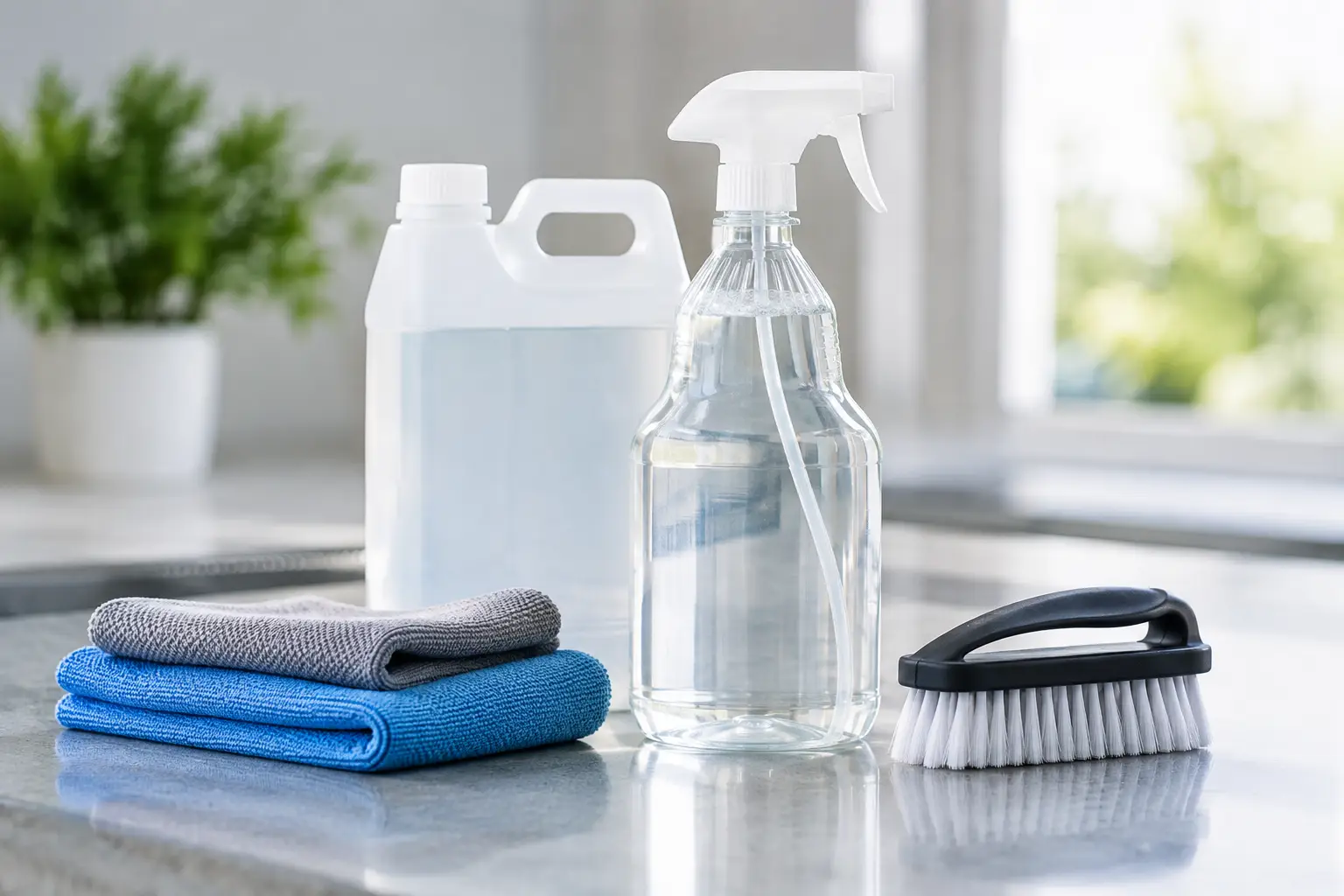
The job gets easier when the grease is still fresh. Spray or apply the product, give it a little contact time, then wipe with a clean cloth. If there is a thick layer of oil, use a second clean cloth for the final pass. Reusing the same saturated cloth is one reason a surface can still feel greasy after cleaning.
Warmth also helps. On a cool countertop or stainless-steel appliance, a warm, damp cloth used after cleaning can help remove loosened residue. Avoid using very hot water on delicate plastics, finished wood, or surfaces where heat could affect a coating.
Kitchen grease is only one category. Lubricants, automotive oils, adhesive residue, tree sap, and old sticker glue can behave more like a greasy bond than a simple oily spill. They generally need a purpose-built formula with stronger soil-lifting ability and enough dwell time to penetrate the mess.
The difference between fresh grease and baked-on grime
A fresh oil splatter is mostly sitting on the surface. Baked-on grease has been heated, oxidized, and repeatedly layered with dust or food particles. That changes the cleaning job.
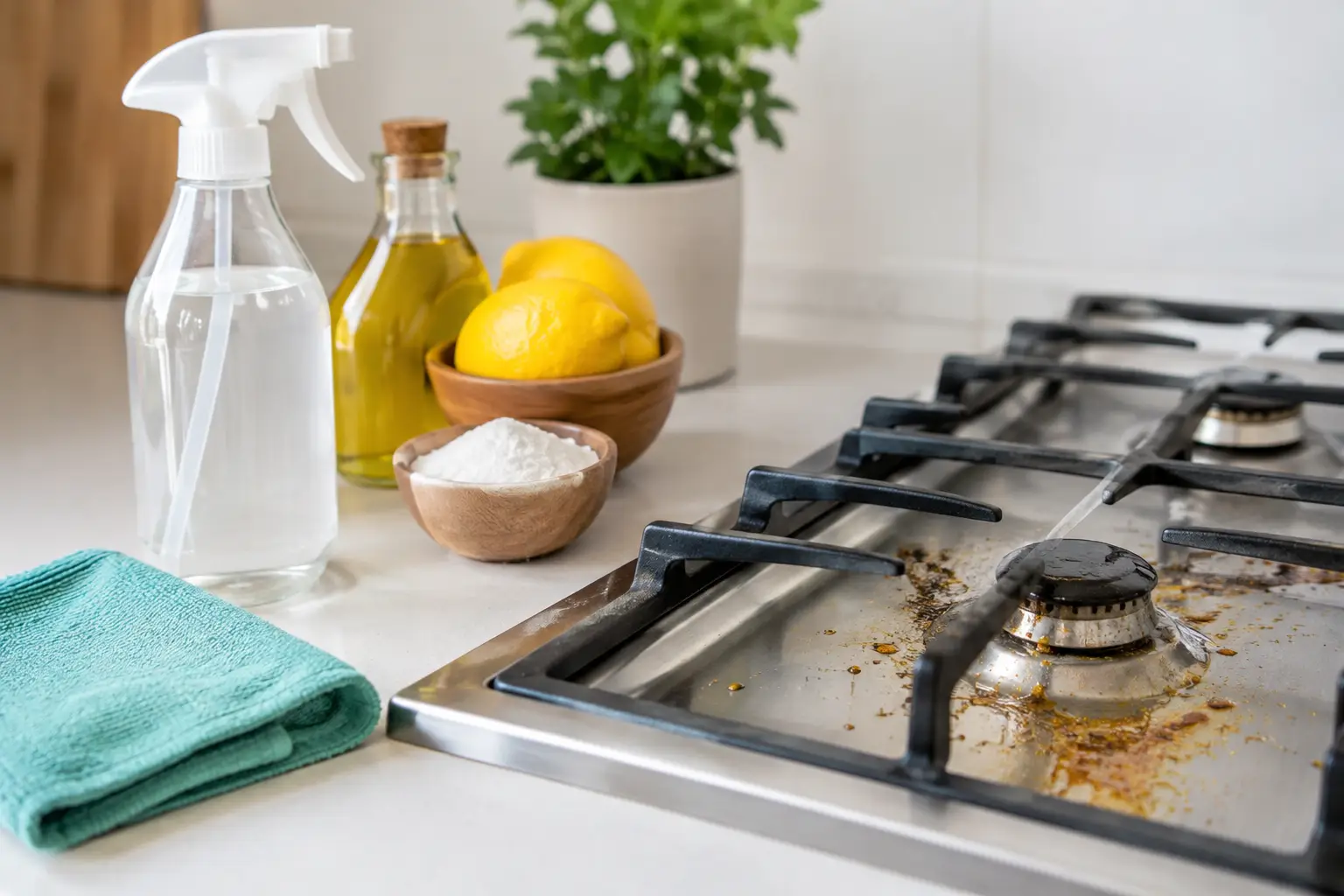
A natural cleaner may still work on baked-on grime, but it may need more patience. Apply it generously, let it sit for the time directed on the label, and wipe away what has softened. Repeat if needed. For durable, non-scratch-safe surfaces, a non-abrasive scrub pad or soft brush can provide the extra mechanical action that a spray alone cannot.
Do not mistake aggressive scrubbing for better cleaning. Scouring powders, steel wool, and harsh abrasives can scratch glass cooktops, stainless steel, coated appliances, acrylic, chrome, and painted finishes. Those tiny scratches can trap even more grime later.
For a heavily greasy oven or barbecue, natural cleaning may be a slower process than using a caustic conventional oven cleaner. That is the trade-off. Strong alkaline cleaners can strip through burnt deposits quickly, but they can also create unpleasant fumes, irritate skin and airways, and damage surfaces if used carelessly. A safer formula may ask for a repeat application, but that can be a worthwhile exchange in a home with children, pets, food-prep areas, or limited ventilation.
What “natural” should and should not promise
Natural cleaning is not magic, and it should not be sold as magic. Some greasy jobs require more than one pass. Others require a product designed for the specific soil, especially when oil is mixed with glue, wax, silicone, road grime, or old polish.
It also does not mean every ingredient is automatically safe for every surface. Citrus-based ingredients, for example, can be very useful on sticky residue, but certain materials and finishes may be sensitive to concentrated solvents or acids. Always test an inconspicuous area first, particularly on painted surfaces, leather, unfinished wood, specialty plastics, and delicate fabrics.
Read the directions, too. Contact time is part of the cleaning process. Wiping immediately may remove only the top layer, while allowing a product to work for a few minutes can make the difference between rubbing hard and lifting the residue with far less effort.
And never mix cleaners casually. Combining products – especially anything containing bleach, ammonia, or acids – can create irritating or dangerous fumes. A safer cleaning routine starts with using one appropriate product at a time, in a ventilated area, exactly as directed.
When a purpose-built grease remover makes sense
A multi-purpose cleaner is handy for everyday wipe-downs. But when a greasy mess is sticky, stubborn, or attached to a valuable surface, a targeted product is usually the smarter choice.
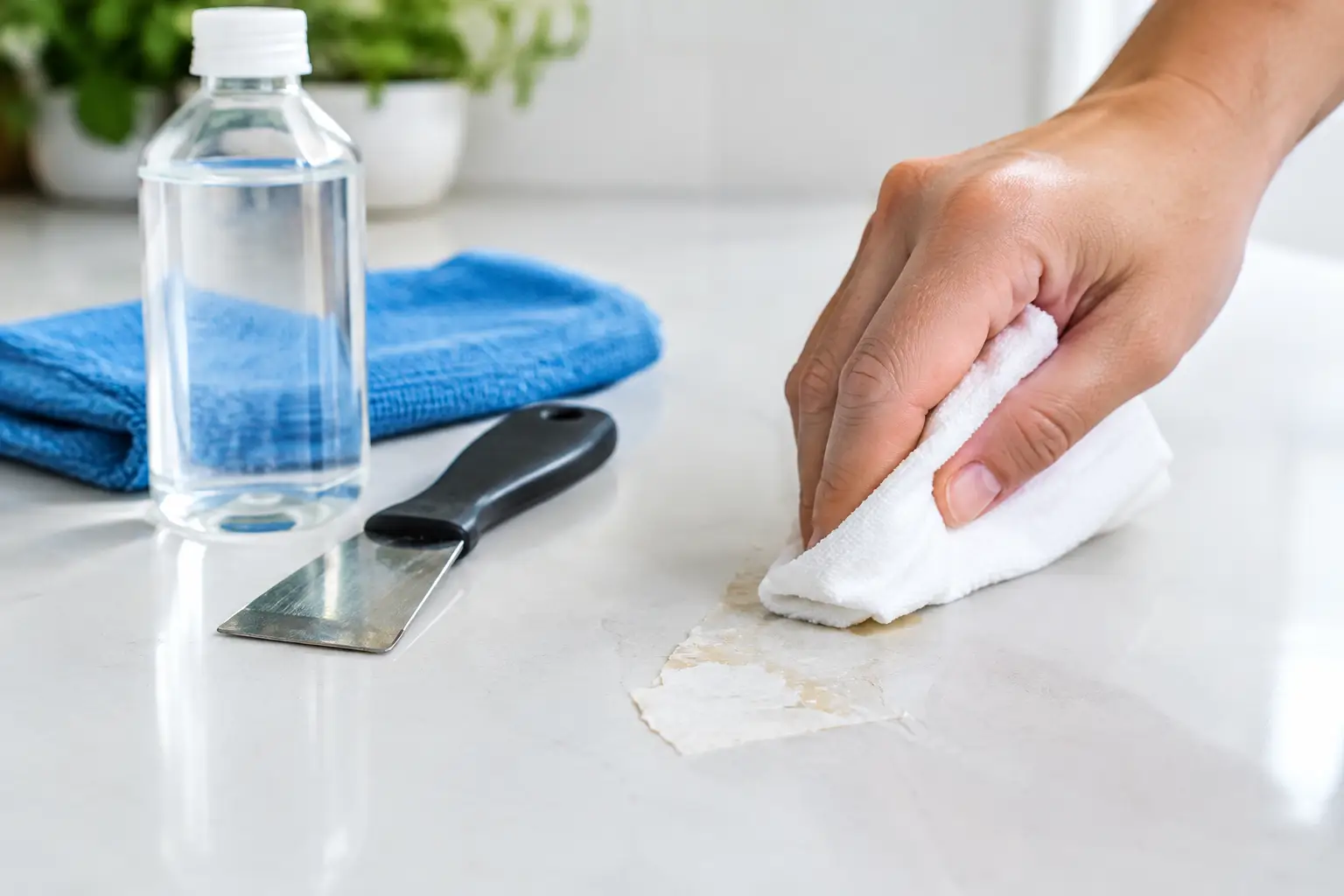
Adhesive residue is a perfect example. The problem is not just grease. It is an adhesive that holds onto glass, plastic, metal, painted surfaces, or tools. Using a harsh solvent may remove it, but it can leave behind a powerful odour, create a flammability concern, or dull the material underneath. A formula made to release adhesives and lubricating residues gives you more control.
That is the thinking behind BCM Biodegradable Solutions’ Tack Attack: serious cleaning power for sticky, greasy residue without relying on the harsh petroleum-style solvents many people would rather keep out of their homes, vehicles, boats, and workspaces.
The same principle applies to fabric. A cooking-oil spot, lipstick mark, or greasy collar should be treated before it goes through the dryer. Heat can set oily residue into fibres and make removal much more difficult. Blot excess oil first, apply an appropriate stain treatment, allow it to work as directed, then wash according to the garment care label. Avoid rubbing aggressively, which can push the grease deeper into the fabric or spread the stain.
A practical approach to safer grease cleaning
Start by identifying what is actually on the surface. Is it fresh cooking oil, old baked-on residue, machine lubricant, sticker glue, or an oily stain in fabric? That simple question prevents a lot of wasted effort.
Next, remove loose debris before applying cleaner. Crumbs and grit can turn wiping into scratching, especially on glossy appliance finishes and glass. Apply the cleaner directly to the mess or to a cloth when overspray is a concern. Give it time to work, wipe with a clean absorbent cloth, and repeat rather than escalating immediately to a harsher product.
For kitchen surfaces, finish with a clean damp wipe where appropriate so no loosened soil remains. For tools, vehicles, or workshop items, follow the product directions for rinsing and drying. Grease left in seams, handles, or textured surfaces can attract dust quickly, so a final detail wipe pays off.
The better question is: what kind of grease?
Natural cleaners can absolutely remove grease, but performance depends on the formula, the age of the buildup, the surface, and a little patience. Fresh household grease may wipe away easily. Burnt-on deposits may need repeat applications. Adhesives and lubricants call for a cleaner designed to release them without punishing your nose, your hands, or the material you are trying to save.
A cleaner should make a difficult job feel manageable, not replace one mess with fumes, residue, or surface damage. Choose the product for the problem, let it do its work, and give stubborn grease the extra minute it deserves.