A stain does not need a full wash-day disaster to become permanent. A splash of salad dressing on a favourite shirt, grass on kids’ knees, coffee on a work blouse – each needs a slightly different response. The best laundry spot treatments are not necessarily the strongest-smelling products under the sink. They are the treatments that match the stain, respect the fabric, and get to work before heat sets the problem.
For households that want serious cleaning power without bringing harsh fumes into the laundry room, the key is simple: treat early, use only as much product as the stain requires, and check the fabric before the dryer gets involved.
What Makes a Spot Treatment Actually Work?
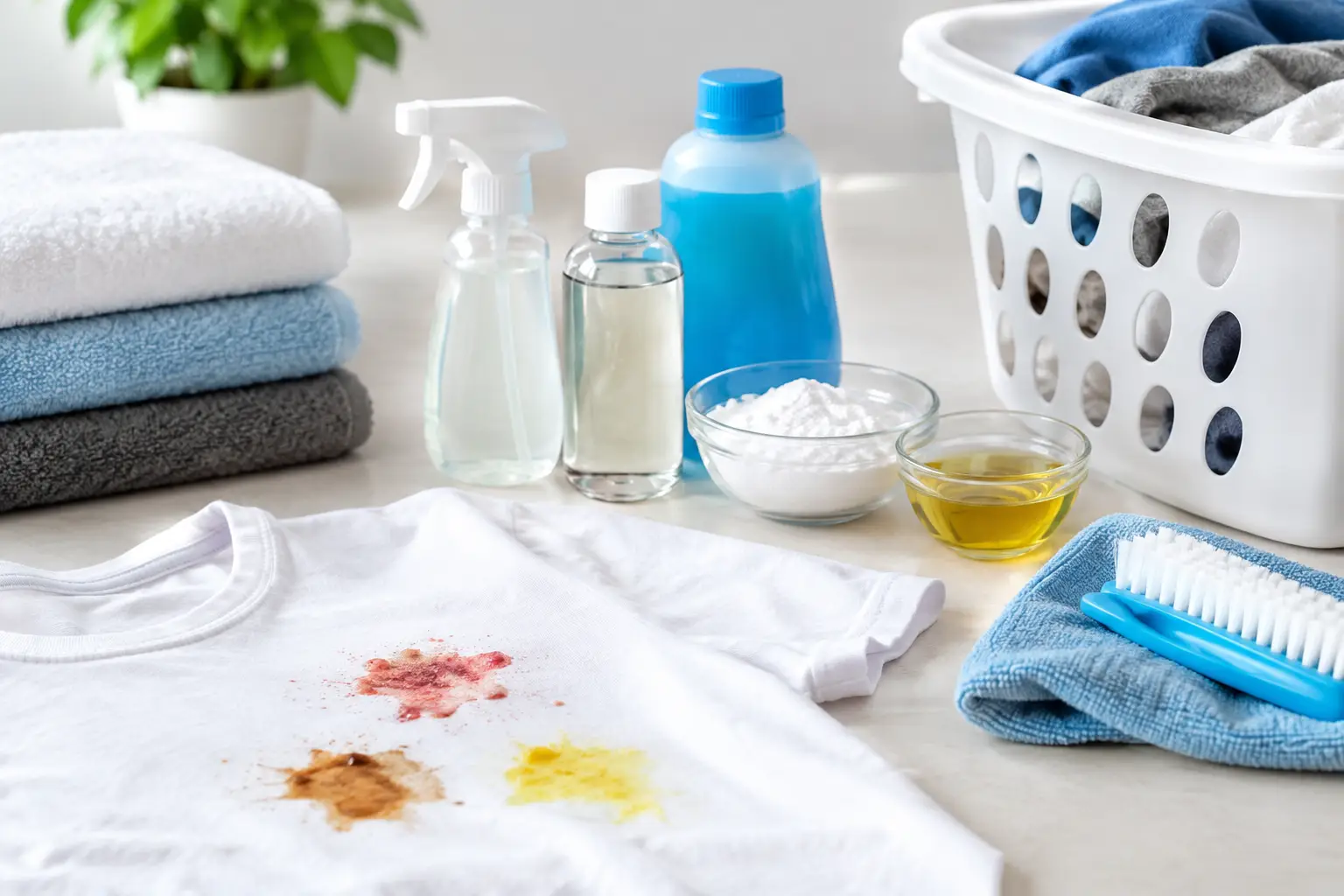
Stains are made of different things. Oils need help lifting away from fibres. Protein stains, such as blood, dairy, sweat, and egg, respond best to enzyme-based cleaners and cool water. Plant pigments and coloured drinks may need an oxygen-based brightener or a stain remover designed to break up colour compounds.
That is why one all-purpose trick can disappoint. Hot water may help with oily grime, for example, but it can set a protein stain. A powerful bleach may fade the mark, but it can also weaken wool, silk, spandex, or a bright garment you hoped to keep for years.
The most effective approach is targeted rather than aggressive. Look for a treatment that can be applied directly, rinses cleanly, and does not leave a heavy fragrance or slippery residue behind. If you prefer naturally sourced, biodegradable cleaning products, you can still expect a formula to do real work. Gentle should describe the experience on your skin and fabrics, not the result.
The Best Laundry Spot Treatments for Common Messes
1. A direct stain remover for everyday mystery marks
For the smudge on a cuff, the drip down the front of a sweater, or the unknown mark discovered at laundry time, a ready-to-use liquid stain remover is the practical first choice. Apply it directly to the affected area, gently work it through with clean fingers or a soft brush, then let it sit according to the label directions before washing.
This is where a purpose-built product such as Stain Zaprrr can earn its place beside the washer. A targeted treatment is easier to control than pouring extra detergent over a garment, and it avoids soaking an entire item when only one small area needs attention.
2. Dish soap or a degreasing pre-treatment for oil and grease
Butter, cooking oil, lipstick, bicycle-chain grime, and greasy gravy leave behind stains that water alone cannot move. Start by blotting away excess oil with a clean cloth or paper towel. Do not rub it farther into the fibres.
A small amount of grease-cutting liquid applied directly to the mark can help loosen the oil before laundering. Let it work for 10 to 15 minutes, then wash in the warmest water the care label allows. For delicate fabrics, test first and use a light touch. Heavy scrubbing can damage the surface of the fabric long before the grease disappears.
3. Enzyme treatment for blood, sweat, dairy, and food proteins
Protein stains deserve cool water. Rinse fresh blood from the back of the fabric under cold running water, which helps push the stain out instead of driving it deeper. Then apply an enzyme-based laundry treatment if the garment’s care label permits it.
For sweat rings on shirts or sportswear, give the treatment time to reach the fibres before washing. Avoid chlorine bleach on perspiration stains, especially on synthetic fabrics. It can react with body oils and leave yellowing that looks worse than the original mark.
4. Oxygen-based treatment for coffee, tea, wine, and berries
Colour-rich stains can be stubborn because their pigments cling to fabric. Blot first, then flush from the back with cool water. An oxygen-based stain treatment or colour-safe laundry booster is often a better choice than chlorine bleach, particularly for coloured cottons and washable blends.
The trade-off is patience. Oxygen-based treatments may need a little time to work, while chlorine bleach acts quickly but carries a much higher risk of colour loss, fibre damage, and unpleasant fumes. Never use chlorine bleach on wool, silk, leather, or garments labelled as non-chlorine bleach only.
5. A paste treatment for grass and ground-in dirt
Grass stains are a mix of plant pigment, soil, and sometimes the sunscreen or snack residue that came before them. Brush off dry dirt first. Treat the remaining green mark with a laundry stain remover, gently working it into the fabric rather than attacking it with a stiff brush.
For white cotton items, an oxygen-based paste can provide extra staying power. For coloured uniforms and outdoor clothing, spot-test inside a hem or seam first. A treatment that works beautifully on a white T-shirt may lighten a navy soccer jersey.
6. Laundry detergent for washable makeup and self-tanner
Foundation, mascara, and self-tanner often contain oils, waxes, or pigments, so they respond well to a concentrated liquid laundry detergent or stain remover. Dab it on, allow a short dwell time, and rinse or wash as directed.
Avoid using hot water straight away. Heat can set waxy cosmetic ingredients and make the stain harder to lift. If mascara or eyeliner leaves a dark mark, resist the urge to scrub hard. Repeated gentle treatment is usually kinder to the fabric than one forceful attempt.
7. A solvent-free approach for sticker glue and waxy residue
Not every laundry-room stain began as a stain. Price-tag adhesive, tape residue, crayon, and candle wax can leave a sticky patch that attracts dirt even after washing. First remove as much excess material as possible. For wax, harden it with ice and lift off what you can with a dull edge.
Then use a fabric-appropriate adhesive or residue remover, testing an inconspicuous area before treating the visible spot. Avoid reaching automatically for flammable, petroleum-style solvents. They can produce overpowering odours, affect dyes or finishes, and create an unnecessary hazard in a busy home.
8. A gentle rinse-and-repeat method for delicate fabrics
Silk, wool, rayon, linen, embellished clothing, and vintage pieces need a slower plan. Blot the stain with a clean white cloth, use cool water where appropriate, and choose a treatment clearly suited to delicate fibres. If the label says dry clean only, do not experiment with a strong spot cleaner at home.
Sometimes the best treatment is restraint. Over-wetting a delicate garment can leave a water ring, while vigorous rubbing can roughen fibres or distort the weave. When in doubt, remove what you safely can and take the item to a professional cleaner.
A Better Spot-Treating Routine
Timing matters more than most people realize. Treat a fresh stain as soon as practical, but do not panic-treat it with the first product you find. Identify the likely source, check the care label, and test the treatment where nobody will see it.
Apply product from the outside edge of the stain inward. This reduces spreading. Use a clean cloth, soft toothbrush, or your fingertips to work it in gently, then wash according to the garment label. Before the item goes into the dryer, inspect the area in good light. Dryer heat can set a remaining stain so firmly that even the best follow-up treatment has a tougher job.
For old stains, expect a second round. A fabric-safe product used twice is often a better choice than a harsh chemical used once. That matters especially for children’s clothing, reusable cloths, activewear, and everyday garments that already see plenty of wear.
When Spot Treatment Is Not the Answer
Some marks are not removable stains at all. Bleach damage, dye transfer, fabric abrasion, and heat scorching may change the fibre itself. No stain remover can restore colour that has been chemically stripped away or rebuild fibres damaged by friction.
Likewise, do not mix cleaning products in pursuit of a stronger result. Combining bleach with acids, ammonia, or unknown cleaners can create dangerous fumes. Use one treatment at a time, follow its directions, and keep products in their original containers.
A well-stocked laundry area does not need a shelf full of harsh bottles. It needs a few smart, fabric-conscious solutions and the habit of treating stains before they settle in. The next time life lands on your favourite shirt, act early, match the treatment to the mess, and give the fabric a fair chance to come clean.