That tight, itchy feeling after a good swim is not just in your head. If you have wondered, “why does chlorine dry skin,” the short answer is that pool water can strip away some of the natural oils and protective materials your skin relies on to stay soft, comfortable, and balanced.
Chlorine is doing a useful job in the pool. It helps control bacteria and other unwanted contaminants so swimmers can enjoy the water more safely. But it does not know the difference between the oils it needs to react with in pool water and the oils on your skin, hair, and swimsuit. The more often you swim, the more noticeable that dry, scratchy post-pool feeling can become.
For swimmers, parents of young swimmers, hot-tub users, and anyone who spends summer afternoons in the pool, a few practical habits can make a real difference.
Why Does Chlorine Dry Skin?
Your skin has a protective outer layer called the skin barrier. Think of it as a very thin, hardworking shield made up of skin cells, natural oils, and water. When it is in good shape, it helps keep moisture in and irritating substances out.
Chlorinated water can disrupt that balance. Chlorine is an oxidizing chemical, meaning it reacts readily with organic material. On skin, that can include sebum, the natural oil your body produces to help prevent moisture from escaping. A single swim may only leave you feeling a little dry. Repeated exposure, especially without rinsing and moisturizing, can leave the barrier less comfortable and less effective.
Pool water can also be drying for reasons beyond chlorine alone. Many pools have a pH that differs from the slightly acidic surface of healthy skin. Long showers afterward, hot water, strong soap, and dry air can add to the problem. In other words, chlorine may be the obvious culprit, but the full post-swim routine often determines how dry your skin feels.
Chloramines make the experience worse
That sharp “pool smell” many people associate with chlorine is often caused by chloramines. These form when chlorine reacts with sweat, body oils, cosmetics, and other organic matter brought into the water. Chloramines can irritate the eyes, nose, and skin, particularly in heavily used or poorly ventilated indoor pools.
A strong chlorine odour does not necessarily mean a pool has extra-clean water. It can mean the chlorine is busy reacting with contaminants. Showering before swimming helps reduce what goes into the pool and can make the water more pleasant for everyone.
Some skin types notice it faster
It depends on your skin. People with naturally dry or sensitive skin often feel the effects sooner than those with oilier skin. Children can be more prone to dryness because their skin barrier is still developing, while adults may notice more irritation during cold Canadian winters, when indoor heat and low humidity are already working against comfortable skin.
Eczema-prone skin needs extra care. Some people find a well-maintained pool tolerable or even soothing, while others experience a flare-up after swimming. If redness, persistent itching, cracked skin, rash, or burning becomes a pattern, speak with a healthcare professional rather than trying to power through it.
What Happens During a Long Swim or Hot-Tub Soak
Time matters. A quick dip in a properly maintained pool is usually easier on skin than an hour of lessons, lane swimming, or water play. The longer the exposure, the more opportunity chlorinated water has to wash away surface oils and leave skin dehydrated.
Hot tubs can be especially demanding. Warm water opens the door to longer soaks, but heat also increases water loss from the skin. Hot-tub chemistry can be more concentrated than pool chemistry because of the smaller water volume and higher bather load. Add steam, repeated entry and exit, and a hot shower afterward, and dry skin can become a very predictable result.
This does not mean you have to give up swimming. Swimming is excellent exercise, family time, rehabilitation, and plain old fun. It means treating post-swim skin care as part of the activity, much like drying off or packing a towel.
A Practical Routine to Prevent Post-Swim Dryness
The best approach starts before you get in the water. A brief rinse with fresh water helps hydrate the outermost layer of skin, so it may absorb less pool water during your swim. It is a small step, but regular swimmers often find it worthwhile.
If you have sensitive areas, such as hands, shins, elbows, or cheeks, apply a simple fragrance-free moisturizer before swimming if it works for your skin. Some swimmers use a light barrier product, but heavy ointments may feel slippery and are not ideal for every pool or activity. Keep the goal realistic: support the skin barrier, not create a waterproof suit.
After swimming, rinse promptly with fresh, lukewarm water. Do not wait until bedtime if you can help it. Chlorine residue, chloramines, and pool water minerals can stay on the skin and continue to feel drying long after you have left the deck.
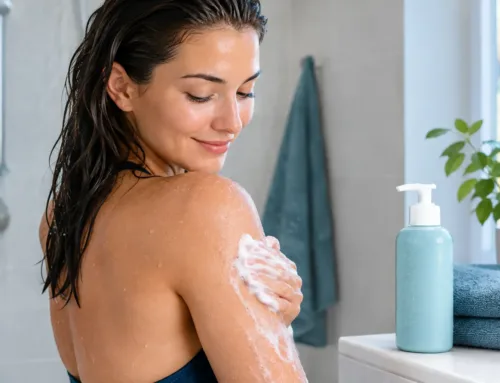
Use a gentle cleanser or body wash rather than a harsh, heavily fragranced soap. Scrubbing aggressively with a washcloth may make squeaky-clean skin feel satisfying, but that squeak can be a sign that too much natural oil has been removed. Pat dry with a towel instead of rubbing, then apply moisturizer while your skin is still slightly damp.
For a targeted option, BCM Biodegradable Solutions makes Chlorine Zaprrr, a gentle body wash and shampoo designed to remove chlorine odour after swimming. The aim is simple: get rid of that lingering pool smell without adding another harsh, drying step to your routine.
Do Not Forget Your Swimsuit and Hair
Chlorine exposure is not limited to skin. Hair can feel rough or brittle after frequent swimming because chlorine and pool minerals affect its protective outer layer too. Wetting hair with fresh water before entering the pool, rinsing it right afterward, and using a conditioner can help. Swim caps are useful for frequent swimmers, although they are not always completely watertight.
Your swimsuit holds onto chlorinated water as well. Rinse it thoroughly after each use and let it air dry away from direct heat. Avoid leaving it rolled up in a damp towel or plastic bag, where odours and fabric wear can build up quickly. A swimsuit that smells strongly of chlorine may need more than a quick rinse.
When Pool Chemistry Is Part of the Problem
Well-managed pools should have appropriate sanitizer levels and balanced pH. If everyone in your family comes home with unusually dry, burning, or irritated skin after using one particular pool, the water balance may be contributing. The issue could be high sanitizer levels, excess chloramines, poor ventilation, or pH that is out of range.
Public-pool staff can usually answer general questions about maintenance. At home, test strips or a proper test kit can help pool and hot-tub owners monitor sanitizer and pH levels. More chlorine is not automatically better. Properly balanced water is more comfortable for swimmers and helps protect pool equipment, liners, and fabrics too.
There is also a difference between temporary dryness and a reaction that deserves attention. Mild tightness that improves after rinsing and moisturizing is common. Swelling, hives, severe rash, wheezing, eye pain, or symptoms that keep returning are reasons to stop exposure and seek medical advice.
A swim should leave you pleasantly tired, not itchy for the rest of the day. Rinse soon, moisturize while skin is damp, and give your pool routine the same practical attention you give to goggles, towels, and sunscreen. Your skin does a lot for you – it deserves a little backup after every dip.