A frozen windshield is rarely just a thin layer of frost. It is often a hard, bonded sheet of ice that turns a two-minute departure into a cold, wet battle with a scraper. This windshield deicer comparison looks at the methods drivers actually reach for, what each one does well, and where the hidden trade-offs can cost you time, visibility, or vehicle care.
The best answer depends on the kind of ice you face, where you park, and whether you need fast help at 7 a.m. or a more reliable winter routine. One thing does not change: clearing only a small viewing hole is not enough. Safe winter driving starts with a fully clear windshield, side windows, mirrors, lights, and roof.
Windshield deicer comparison: the main options
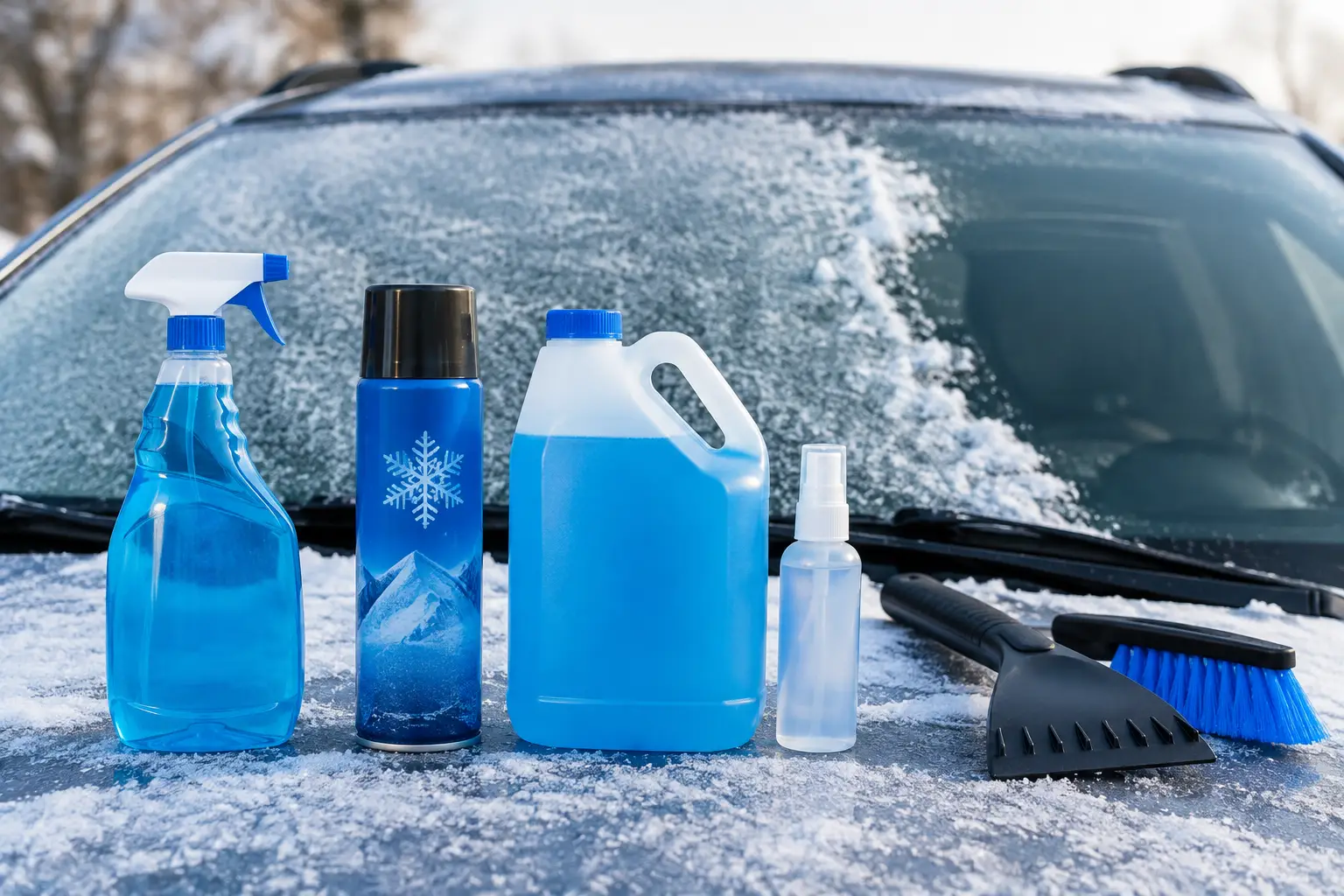
Most de-icing methods fall into four camps: manual scraping, ready-to-use spray deicers, homemade liquid mixtures, and heat from the vehicle. They work differently, and the most sensible approach is often a combination rather than a single miracle product.
Scrapers: dependable, but not always easy
A good ice scraper is the basic tool every Canadian vehicle should carry. It is inexpensive, does not run out, and removes loosened ice completely. On dry frost or a thin layer of ice, a scraper may be all you need.
The downside is effort. Thick ice can be stubborn, especially after freezing rain or a melt-and-refreeze cycle. Scraping also takes time, exposes your hands to the cold, and can be rough on wiper blades if you force the tool into their edges. A worn or gritty scraper can mark certain plastic surfaces, so use a clean tool and work with steady pressure rather than aggressive chipping.
Scraping is best viewed as the finishing step. It is excellent at removing ice once it has been softened, but it is not the friendliest solution when the windshield is coated in several millimetres of hard ice.
Commercial spray deicers: fast and practical
A purpose-made windshield deicer spray is designed to break the bond between ice and glass. Many conventional formulas use alcohols or glycols because they lower water’s freezing point and help dissolve frost quickly. A few sprays can make the difference between hacking at the glass and sweeping softened ice away with a scraper or wiper.
Speed is the major benefit. Spray deicers are especially useful for early-morning frost, light ice, frozen wiper blades, and door locks. They are compact enough to keep in the vehicle, although the product should be stored according to its label instructions so it remains effective through winter temperatures.
Not every spray is the same, however. Some contain strong solvent smells, can be flammable, or leave drivers wondering what is being sprayed around their vehicle, driveway, and hands. For households looking to reduce harsh chemical exposure, choose a formula made specifically for windshield use and check for clear guidance on surface compatibility, odour, flammability, and environmental considerations.
Ice Zaprrr is BCM Biodegradable Solutions’ purpose-built option for drivers who want quick windshield de-icing without the harsh, petroleum-style solvent experience associated with many conventional products.
Homemade mixtures: tempting, inconsistent results
Home recipes are popular because they seem simple. Rubbing alcohol and water mixtures, vinegar solutions, and dish-soap blends are common suggestions. Some can loosen light frost, but homemade formulas come with more guesswork than most drivers expect.
Alcohol-based mixtures may work in a pinch, yet the right ratio matters. Too much water can refreeze quickly in deep cold. Too much alcohol creates a stronger odour and may not be the product you want repeatedly handling around painted surfaces, rubber components, and your skin. The spray bottle itself can also crack or stop spraying in extreme temperatures.
Vinegar is often promoted as a natural answer, but natural does not automatically mean ideal for every automotive surface. Its acidic character, smell, and variable effectiveness in colder conditions make it a less appealing routine choice. Dish soap may help water spread over glass, but it does not provide the freezing-point performance needed for hard ice and can leave residue that smears when the wipers run.
A homemade mixture is better than driving with impaired visibility, but it is not the most predictable tool for a Canadian winter. If you use one in an emergency, test it on a small area first and follow with a proper wipe-down when conditions allow.
Vehicle heat: useful support, not a shortcut
Starting the vehicle and using the front defroster warms the inside surface of the windshield. Over time, that can loosen frost and make scraping easier. It also clears interior fog and helps restore visibility once you are moving.
Its limitation is time. Idling until the windshield clears wastes fuel, creates emissions, and may be restricted by local rules or building policies. More importantly, the outside ice often stays put longer than drivers expect, particularly in severe cold. A deicer spray and scraper will usually get you safely on the road sooner.
Avoid pouring hot water on a frozen windshield. The rapid temperature change can stress glass, and the water may run down, freeze again, and create a fresh layer of ice around the wipers, hood, or driveway. Lukewarm water is not a dependable solution either when the air is well below freezing.
What really matters when choosing a deicer
The quickest formula is not automatically the best formula for every driver. Look at how it fits into your whole winter routine.
First, consider the type of winter weather where you live. Dry prairie frost behaves differently from wet coastal freezing rain. Light, feathery frost calls for less product than dense ice that has formed after a daytime thaw. If your windshield regularly gets a thick glaze, choose a spray that can soften ice quickly and keep a sturdy scraper close by.
Next, think about what happens after spraying. A useful deicer should help you clear the glass without leaving oily film, excessive streaks, or residue that interferes with wipers. Glass must be clean, not merely less icy. If wipers smear after use, clean the blades and windshield with a suitable automotive glass cleaner before the next storm.
Safety matters too. Read the label rather than assuming every bottle works everywhere. A windshield deicer should be used as directed and kept away from children and pets. Do not spray directly onto hot engine parts, and avoid using a product in a way that creates unnecessary overspray on painted panels, rubber trim, or your hands. The right product is paired with sensible handling.
Finally, consider the product’s broader chemistry. Winter maintenance does not need to mean overpowering fumes in your car or a flammable liquid stored beside booster cables, groceries, and sports gear. Drivers who care about lower-impact household products can look for formulations that clearly address biodegradability, odour, and ingredient safety without giving up practical performance.
A faster, safer way to clear the glass
For most icy mornings, begin by brushing loose snow off the roof and windows. This prevents snow from sliding onto your windshield after you pull away and gives you access to the glass. Then apply deicer evenly to the outside of the windshield, concentrating on the areas where ice is firmly attached.
Give the formula a brief moment to work. The goal is not to watch the ice disappear on its own, but to soften it enough that a scraper can lift it away cleanly. Use broad, overlapping strokes from the top down, then clear the wiper blades before turning them on. Finish all windows, mirrors, lights, and the roof before leaving the driveway.
For recurring frost, prevention saves more time than any last-minute product. A windshield cover, sheltered parking, and clean wiper blades all reduce the morning workload. Keep a deicer and scraper together in an accessible spot, not buried under cargo in the trunk.
The practical verdict
Scrapers win for simplicity and complete removal. Vehicle heat helps with comfort and interior fog. Homemade mixtures can serve as a backup, but their results vary and their drawbacks are easy to underestimate. A well-formulated windshield deicer spray is the most convenient way to soften ice quickly, especially when paired with a proper scraper.
The helpful winter habit is not finding one dramatic trick. It is keeping the right tools within reach, using them with care, and giving yourself enough time to leave with every pane of glass truly clear.