A dog that licks the kitchen floor after dinner, a cat sleeping on the laundry-room mat, a parrot nearby while you tackle a stubborn sticker – these are ordinary home moments that change how you choose a cleaner. Cleaning products safe around pets need to do more than smell pleasant or carry a green-looking label. They need to solve the mess without leaving behind fumes, residue, or ingredients that create an unnecessary risk for curious noses, paws, feathers, and tongues.
The good news is that pet-aware cleaning does not mean accepting weak products. It means matching the formula to the job, using it properly, and giving treated surfaces time to dry before your animal returns to the area.
What makes cleaning products safe around pets?
“Pet-safe” can sound like a simple yes-or-no claim, but real-world safety depends on exposure. A product used sparingly on a counter and wiped away is different from one sprayed across a carpet where your dog rolls, or one used in a bathroom with poor ventilation. The animal matters, too. Cats groom themselves constantly, birds have exceptionally sensitive respiratory systems, and small dogs or puppies can be affected by a relatively small amount of product.
Look first for formulas designed to avoid the usual troublemakers: harsh solvent fumes, highly corrosive acids or alkalis, flammable petroleum-style ingredients, and strong fragrances that hang in the air. A biodegradable, naturally sourced formula can be a thoughtful option, but those words alone are not a complete safety test. Even plant-derived ingredients can irritate skin or upset a stomach if a pet gets into the bottle or licks up a concentrated spill.
The practical goal is straightforward: use a cleaner that performs its intended task, leaves minimal residue when used as directed, and does not fill the home with aggressive odours. Then keep the bottle secured and pets away until the cleaned item or surface is dry.
Start with the mess, not the marketing
The broadest all-purpose cleaner is not always the best answer. When a specific problem needs a specific solution, you can often use less product and avoid over-scrubbing or repeated applications.
For example, adhesive from a shipping label, tape, or old decal can tempt people to reach for a harsh solvent. Those products may work quickly, but the smell can take over a room, and the residue may be a concern on surfaces a pet touches. A purpose-built adhesive remover that is non-flammable and made without aggressive petroleum-style solvents is the more sensible starting point. Apply only where needed, lift the residue, then wipe the surface clean.
Fabric messes need the same restraint. If a pet has tracked mud onto upholstery, brushed against a greasy spot, or left a mystery stain on the sofa, treat the affected area instead of saturating the whole cushion. Test first in a hidden spot, follow the directions, and allow the fabric to dry completely. Good cleaning should rescue the furniture, not leave the room smelling like a chemical plant.
Read the label with your pet’s habits in mind
A label cannot predict every household situation, but it can help you make a better decision. Follow dilution and contact-time instructions. Never assume that using extra product means extra cleaning power. In many cases, it simply raises the chance of residue being left where paws will land.
Pay attention to warnings about ventilation, eye and skin contact, and surface compatibility. If the directions say to rinse a food-preparation surface, rinse it. If a product is intended for hard surfaces only, do not use it on a pet bed just because it is nearby.
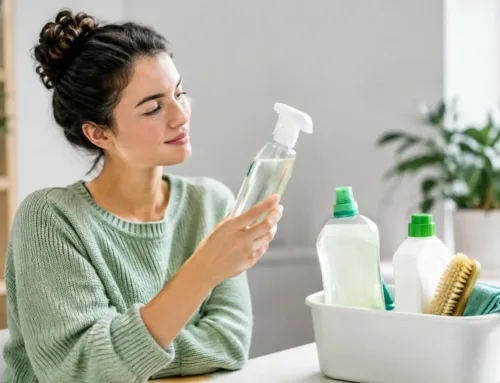
For a new cleaner, consider where your pet spends time. Floor-level products matter most for animals that lick paws. Upholstery products matter for the cat who owns the couch. Aerosols and highly scented products deserve special caution around birds, reptiles, and animals with respiratory sensitivity.
A safer cleaning routine for homes with pets
You do not need a complicated ritual. You need a routine that keeps cleaning efficient and gives pets a clear margin of safety.
First, move pets from the immediate area. This is especially helpful when spraying, treating a stain, or opening a product with a noticeable scent. Open a window or run ventilation when appropriate, even with gentler formulas.
Next, use the smallest effective amount. Apply a targeted cleaner to a cloth when that makes sense, rather than spraying broadly into the room. Wipe up loosened grime, adhesive, or cleaner residue instead of letting it sit. For floors, follow the product directions and make sure there is no pooled liquid for a pet to step in or drink.
Finally, wait for the surface to dry. This one step makes a major difference. A dry, clean floor is far less inviting to a curious tongue than a damp spot that still carries product residue. Put bottles back in a secure cupboard, not beside the sink or on the laundry-room floor.
Be extra careful with these common cleaning situations
Some jobs deserve more caution because of the cleaner, the surface, or the likelihood of contact.
Floors and entryways: These are high-contact zones. Dogs may walk through a freshly washed area and then groom their paws. Choose a product suitable for the floor material, do not overapply it, and keep animals off the surface until dry. In winter, clean slush and salt promptly, as pets can track them through the house and lick their paws afterward.
Pet accidents: Clean up the solid or liquid mess first, then treat the remaining stain or odour according to the product directions. Avoid mixing products in an effort to make the job stronger. Combining cleaners can create fumes or reactions that neither label intended.
Laundry and pet bedding: Use products that are appropriate for the fabric, and make sure articles are fully rinsed and dry before returning them to your pet. A heavily fragranced laundry product may not be pleasant for an animal sleeping with its nose pressed into a blanket.
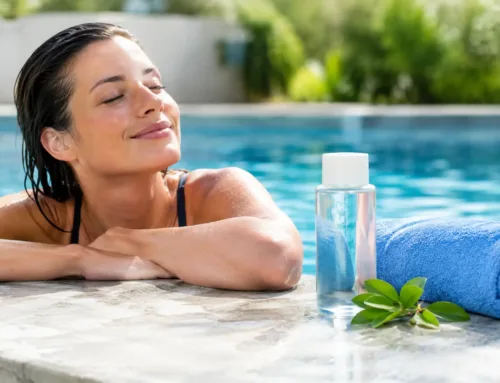
Bathrooms and pool gear: Chlorine odour can cling to towels, swimwear, and skin after a pool or hot tub. Keep body-care and laundry products separate from household cleaning products, and store them all out of reach. A gentle chlorine-odour treatment can make post-swim cleanup more comfortable without turning the bathroom into a fume-filled zone.
Garages, vehicles, and workshops: This is where old-school solvents often appear. If you are removing sap, grease, decals, or adhesive, work with ventilation, prevent pets from entering the space, and clean up drips right away. Non-flammable alternatives can be a smart fit for demanding jobs, but they still belong in closed containers and away from animals.
Natural does not mean hands-off
One of the biggest mistakes pet owners make is treating a product as harmless because it is biodegradable, naturally sourced, or lightly scented. Those are valuable qualities, particularly when they replace aggressive conventional chemistry, but every concentrated product deserves respect.
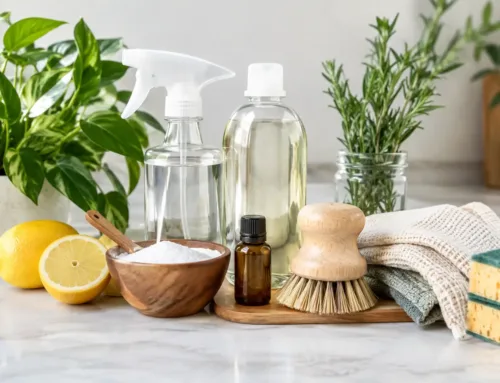
Do not let pets chew caps, lick bottles, or drink from a bucket of cleaning water. Do not add essential oils or other ingredients to a formula unless the product specifically calls for them. Homemade mixtures can be unpredictable, and some oils that smell fresh to people are not a good choice around cats, dogs, or birds.
If your pet gets cleaner in its eyes, on its skin, or in its mouth, remove access to the product, check the label, and contact your veterinarian or a poison-control service for guidance. Bring the container or have the ingredient information ready. Quick, calm action beats guessing.
Strong cleaning results without the harsh aftermath
The best cleaner is not the one that announces itself from three rooms away. It is the one that handles the sticky label, the stained cushion, the tracked-in grime, or the chlorine smell while respecting the people, materials, and animals in your home.
At BCM Biodegradable Solutions, that is the standard behind purpose-built formulas: practical cleaning power without defaulting to overpowering odours, flammable solvents, or needlessly harsh ingredients. Still, the smartest product choice always includes smart use. Read the directions, clean precisely, wipe thoroughly, and let surfaces dry.
Your pet does not need a perfectly sterile home. It needs a clean, comfortable place to nap, play, and follow you from room to room – without a chemical cloud being part of the routine.